
Hair loss is often discussed as a cosmetic concern, but for many individuals, it runs much deeper. Hair plays a powerful role in how we see ourselves and how we believe others perceive us. When hair begins to thin or recede, it can subtly influence confidence, social comfort, and even professional presence.
Today, modern hair restoration treatments including hair transplant, PRP therapy, GFC treatment, beard transplant, and eyebrow transplant are not just about aesthetics. They are about reclaiming confidence, restoring identity, and regaining control.
This article explores the emotional impact of hair loss and why restoration has become a life-changing decision for many.
Hair and Identity: Why It Matters So Much
From a young age, hair becomes part of personal identity. Hairstyles change with personality, fashion, profession, and cultural trends. It frames the face and contributes significantly to first impressions.
When hair loss begins, people commonly experience:
- Reduced self-esteem
- Increased self-consciousness
- Avoidance of photos or social gatherings
- Reluctance in dating or public appearances
- Anxiety about aging
Hair loss can feel like losing control over one’s image. While others may not notice immediately, the individual often feels the change intensely.
The Silent Psychological Impact
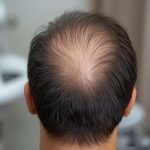
Hair thinning rarely causes physical pain but the psychological impact can be strong.
Research and patient experiences show that hair loss may contribute to:
- Social withdrawal
- Body image concerns
- Stress and frustration
- Fear of premature aging
- Decreased professional confidence
For working professionals, entrepreneurs, and public-facing individuals, appearance influences presence. Feeling uncomfortable about hair loss can subtly affect communication and posture.
This is one reason why hair restoration is increasingly seen as an investment in confidence rather than vanity.
How Modern Hair Restoration Changes Perception
Advancements in medical technology have transformed the way hair restoration is performed.
1. Hair Transplant: Permanent Structural Change
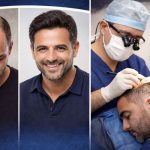
Hair transplant provides long-term restoration by relocating healthy follicles to thinning areas.
- Its psychological advantages include:
- Natural hairline reconstruction
- Permanent density improvement
- Elimination of daily concealment methods
- Freedom from constant worry about hair thinning
Once the transplanted hair begins growing, many patients report a significant boost in self-assurance.
2. PRP Therapy: Early Intervention Confidence
PRP (Platelet-Rich Plasma) therapy works best in early hair thinning stages.
It offers:
- Strengthened existing follicles
- Slower progression of hair loss
- Improved hair thickness
- Preventive support before major baldness occurs
For many individuals, simply slowing hair fall restores peace of mind.
3. GFC Treatment: Advanced Regenerative Approach
GFC (Growth Factor Concentrate) is a refined regenerative therapy that delivers concentrated growth proteins to the scalp.
It is ideal for:
- Progressive thinning
- Weak follicle response
- Patients seeking stronger stimulation
The visible improvement in density often restores self-confidence without surgery.
Facial Hair Restoration and Self-Image
Hair restoration is not limited to the scalp.
Beard Transplant
For men with patchy or uneven facial hair, beard transplant restores symmetry and definition. A fuller beard often enhances jawline structure and overall facial balance.
Eyebrow Transplant
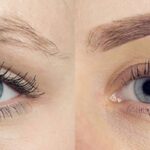
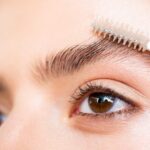
Eyebrows frame the eyes and define facial expression. Sparse or uneven eyebrows can change facial appearance significantly. Eyebrow transplant offers permanent restoration, improving facial harmony.
Both procedures have a strong psychological impact because facial features directly influence first impressions.
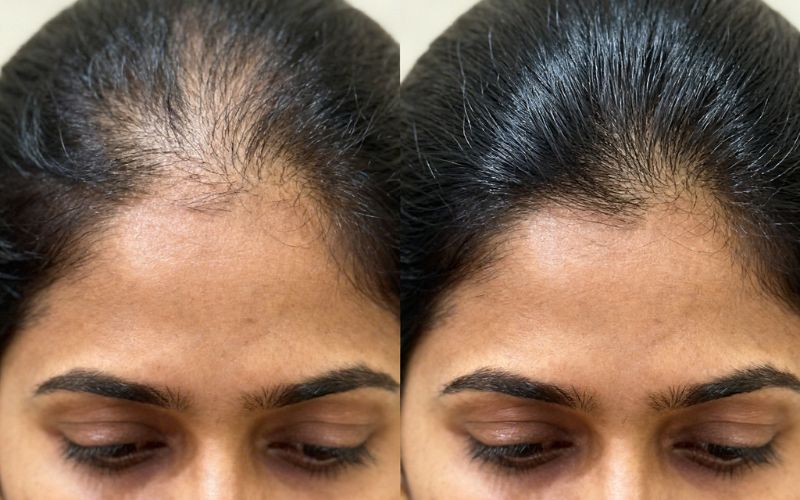
Why Confidence Improves After Hair Restoration
The change is often subtle, but the internal shift is significant.
Patients commonly report:
- Increased comfort in social situations
- Greater willingness to participate in events
- Improved professional presentation
- Reduced dependence on styling tricks or concealment products
- Enhanced self-image
The restoration journey is not about looking different , it is about looking like yourself again.
Breaking the Stigma Around Hair Treatments
Years ago, cosmetic procedures were considered taboo. Today, awareness has increased dramatically.
People openly discuss:
- Hair transplant experiences
- PRP sessions
- Beard and eyebrow restoration
- Non-surgical hair regrowth options
The conversation has shifted from secrecy to empowerment. Hair restoration is now viewed as a proactive step toward self-care.
The Importance of Ethical Planning
Psychological satisfaction depends heavily on realistic expectations and proper planning.
Successful outcomes require:
- Accurate hair loss diagnosis
- Ethical graft calculation
- Natural hairline design
- Combining surgical and non-surgical treatments when necessary
- Transparent communication
Overpromising results can damage trust and expectations. A structured, medically guided approach ensures both aesthetic and emotional success.

Long-Term Impact: More Than Just Hair
Hair restoration often becomes a turning point. Many individuals describe it as:
- A confidence reset
- A fresh start
- A return to their younger self
- A decision they wish they had made earlier
While hair restoration does not change personality, it can restore comfort in one’s appearance and that comfort reflects outwardly.
Final Thoughts
Hair loss affects more than appearance. It influences identity, confidence, and emotional well-being. Modern treatments such as hair transplant, PRP therapy, GFC treatment, beard transplant, and eyebrow transplant offer solutions that go beyond cosmetic correction.
When performed with precision and realistic planning, hair restoration becomes a confidence-enhancing journey rather than just a medical procedure.
For individuals seeking structured evaluation and advanced hair restoration solutions, BHC Hair Transplant Clinic provides comprehensive treatment options designed around natural results and long-term satisfaction.