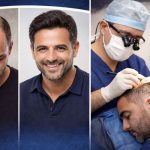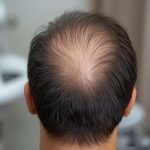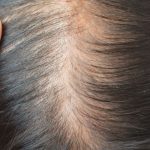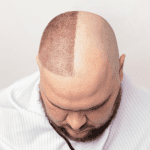

Hair loss is a common concern that affects individuals across different age groups, often impacting confidence and overall well-being. Fortunately, hair transplant procedures have evolved significantly over the years. With advancements in medical technology and surgical precision, modern hair restoration techniques now offer safer procedures, faster recovery, and more natural-looking results.
This article explores some of the most innovative hair transplant techniques available today and how they are transforming the field of hair restoration.
Robotic Hair Transplantation
Robotic hair transplantation represents a major advancement in precision-based hair restoration. This technique uses advanced imaging systems and robotic assistance to help identify healthy donor follicles and assist in their extraction and placement.
Key benefits include:
- Enhanced accuracy in follicle selection
- Reduced damage to surrounding tissue
- Minimal scarring
- Faster healing and recovery
Robotic assistance helps improve consistency and is especially beneficial for patients seeking refined, natural results.

Follicular Unit Extraction (FUE)
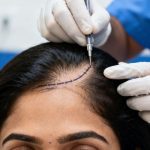
Follicular Unit Extraction (FUE) is a minimally invasive technique that has become one of the most preferred hair transplant methods. Instead of removing a strip of scalp, individual hair follicles are extracted using a micro-punch tool and transplanted into areas affected by hair loss.
Advantages of FUE:
- No linear scars
- Shorter recovery time
- Minimal discomfort
- Ideal for short hairstyles
FUE delivers natural-looking outcomes while maintaining scalp integrity.
Direct Hair Implantation (DHI)
Direct Hair Implantation (DHI) is an advanced variation of the FUE technique. In this method, extracted follicles are implanted directly into the scalp using a specialized pen-like instrument, without creating incisions in advance.
Why DHI is effective:
- Precise control over depth, angle, and direction
- Reduced scalp trauma
- Faster healing process
- Higher density and natural hairline design
DHI is often recommended for individuals seeking detailed hairline restoration.
Platelet-Rich Plasma (PRP) Therapy
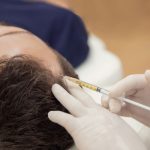
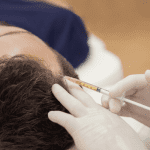
Platelet-Rich Plasma (PRP) therapy is commonly used as a supportive treatment alongside hair transplantation. It involves injecting platelet-rich plasma derived from the patient’s own blood into the scalp.
PRP helps by:
- Stimulating dormant hair follicles
- Improving graft survival
- Enhancing hair thickness and strength
- Supporting scalp health during recovery
PRP is especially beneficial in boosting post-transplant results.
Stem Cell Hair Transplantation
Stem cell hair transplantation is an emerging technique showing promise for individuals with advanced hair loss or limited donor hair. This approach focuses on the regenerative properties of stem cells derived from hair follicle tissue.
Potential benefits include:
- Improved hair density
- Activation of weakened follicles
- Support for long-term hair regeneration
Although still under research, this technique represents the future of hair restoration.
Conclusion
Hair transplant procedures have advanced dramatically with the introduction of innovative technologies and refined techniques. From robotic assistance to FUE, DHI, PRP therapy, and stem cell-based approaches, modern hair restoration now offers effective, minimally invasive, and natural-looking solutions.
Selecting the right technique depends on individual hair loss patterns, donor hair quality, and expectations. A thorough consultation with an experienced specialist is essential to determine the most suitable treatment plan. With the right approach, hair transplantation can be a transformative step toward restoring both hair and confidence.