
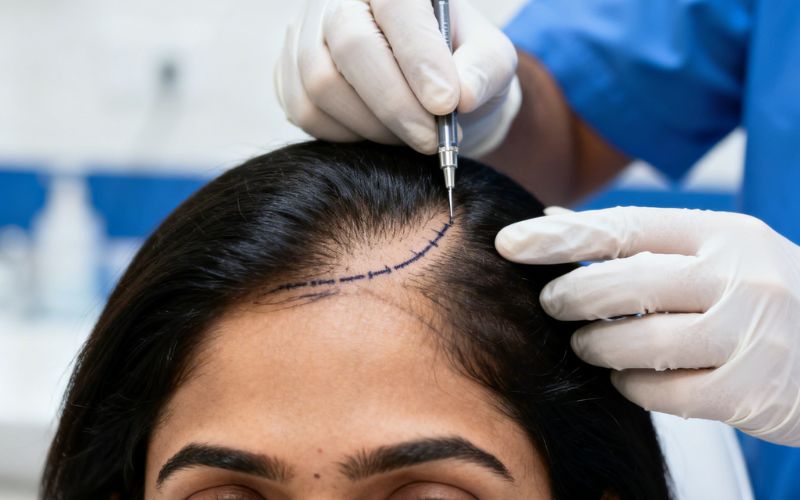
Hair loss is no longer a concern limited to men. Across India, an increasing number of women are experiencing hair thinning, receding hairlines, and patchy hair loss due to genetics, hormonal changes, stress, medical conditions, and lifestyle factors. As awareness and technology improve, hair transplants for women are rapidly becoming a trusted, long-term solution.
Today, women are choosing hair restoration not just for aesthetics, but for confidence, emotional well-being, and quality of life.
Understanding Hair Loss in Women
Female hair loss is often different from male pattern baldness. Women usually experience diffuse thinning, widening of the part line, or hair loss around the crown rather than complete bald patches. Common causes include:
- Hormonal imbalance (PCOS, menopause, thyroid issues)
- Post-pregnancy hair loss
- Iron deficiency and nutritional gaps
- Stress and lifestyle changes
- Medical conditions and medications
- Genetic predisposition
Unlike temporary treatments, hair transplants offer a permanent solution by restoring natural hair growth using the patient’s own follicles.
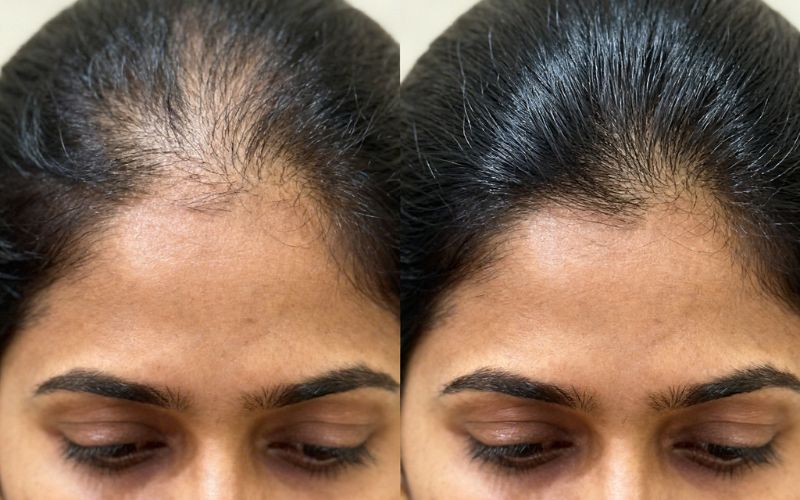
Why Hair Transplants Are Increasingly Popular Among Indian Women
1. Natural & Permanent Results
Modern hair transplant techniques such as FUE provide natural-looking density without visible scars. Once transplanted, the hair grows just like natural hair and lasts a lifetime.
2. Growing Awareness & Acceptance
Earlier, cosmetic procedures were considered taboo. Today, Indian women openly explore advanced aesthetic treatments, including hair transplants, PRP, and GFC therapies, without hesitation.
3. Improved Technology & Precision
Advanced tools allow surgeons to design female hairlines that respect facial proportions, ensuring soft, natural outcomes tailored specifically for women.
4. Boost in Confidence & Mental Health
Hair plays a major role in self-image. Women who undergo hair transplants often report improved self-esteem, social confidence, and emotional well-being.
Is Hair Transplant Suitable for Women?
Hair transplant is ideal for women who:
- Have localized thinning or bald patches
- Have stable donor hair at the back or sides
- Experience traction alopecia or hairline recession
- Want to restore eyebrows or hairline density
- Have not responded to medications or topical treatments
A detailed consultation helps determine whether a hair transplant, PRP, or GFC treatment is the best option.
Hair Transplant Procedure for Women: Step-by-Step
- Consultation & Hair Analysis
Hair density, scalp health, and donor area are evaluated. - Hairline & Density Planning
Female-specific hairline design is created for a natural look. - Follicle Extraction (FUE Method)
Healthy follicles are extracted from donor areas. - Implantation
Follicles are implanted carefully into thinning areas. - Recovery & Growth
Initial shedding occurs, followed by visible growth in 3–4 months and full results in 8–12 months.
Hair Transplant Cost for Women in India
The cost varies depending on:
- Number of grafts required
- Technique used
- Experience of the doctor
- Clinic location
- Additional therapies like PRP or GFC
While pricing differs across cities, hair transplants are considered a one-time investment compared to recurring expenses on temporary treatments.
Hair Transplant vs PRP vs GFC for Women
- Hair Transplant: Best for permanent hair restoration in thinning or bald areas
- PRP Treatment: Ideal for early-stage hair loss and hair strengthening
- GFC Treatment: Advanced regenerative therapy for improved hair thickness and growth
Many women choose a combination approach for optimal results.
Myths About Hair Transplants for Women
- ❌ Hair transplants are only for men
- ❌ Results look artificial
- ❌ Recovery takes months
- ❌ Hair will fall again
✔️ In reality, modern hair transplants are safe, natural, minimally invasive, and permanent when done by experts.

Why Choosing the Right Clinic Matters
Women require specialized planning, precision, and aesthetic expertise. Choosing a reputed clinic ensures:
- Proper diagnosis
- Ethical graft planning
- Natural hairline design
- Safe procedures and aftercare
Final Thoughts
Hair transplants are no longer a last resort. For Indian women dealing with hair loss, they represent empowerment, confidence, and long-term freedom from temporary fixes. With advanced technology and expert care, hair restoration is safer and more effective than ever.